Research
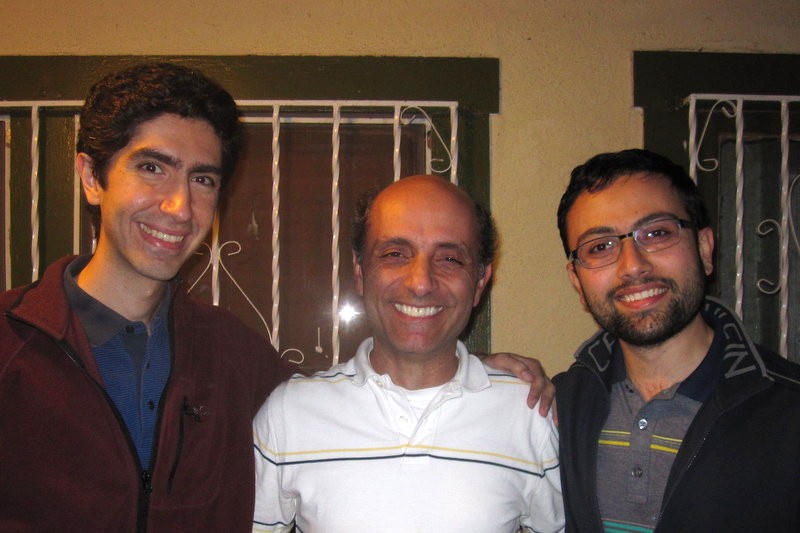
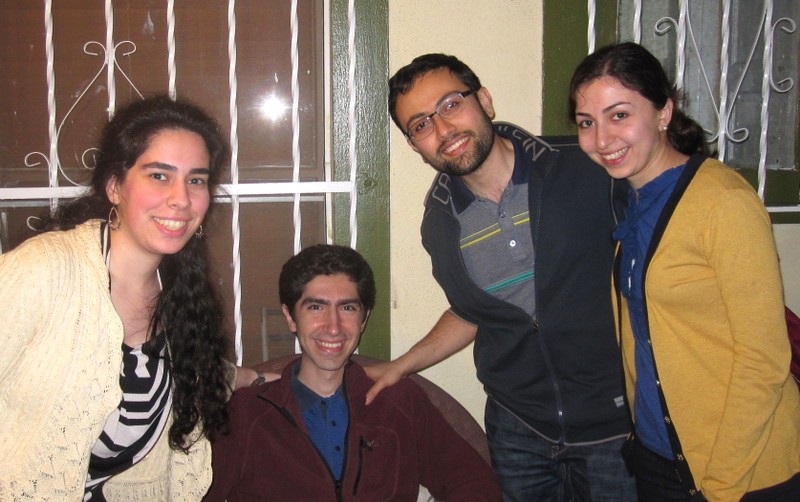
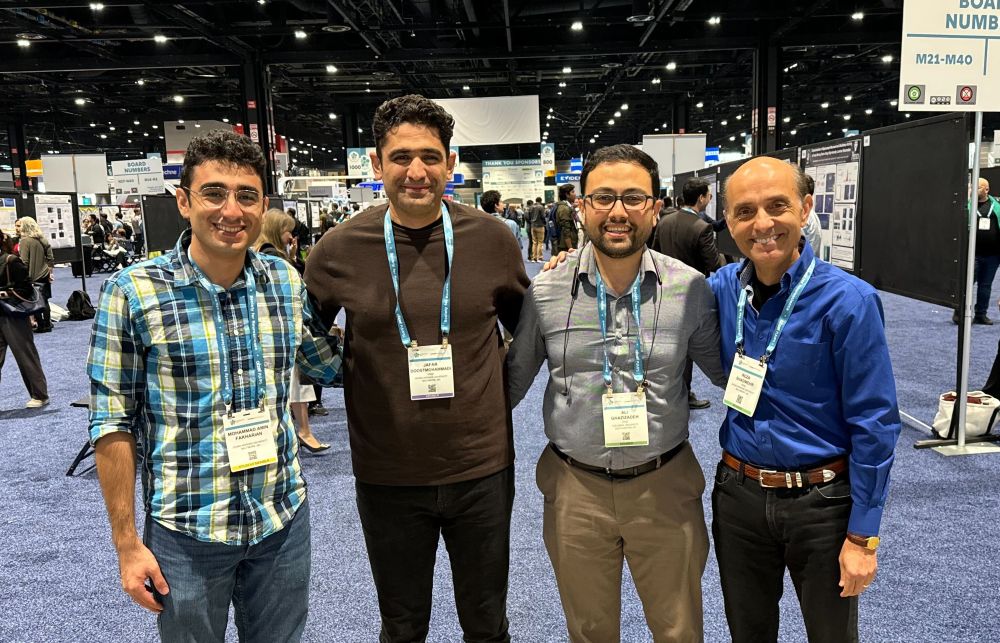
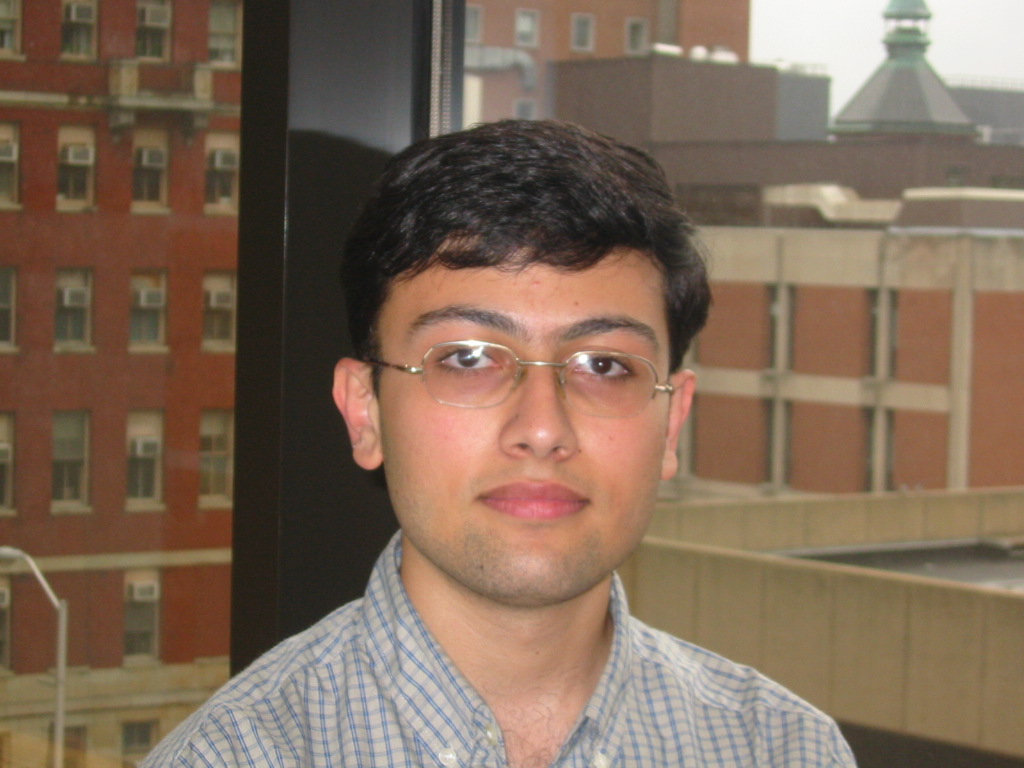
Ali joined the lab as a student in the BME MS program in 2003. Ali demonstrated that by using theory of optimal state estimation, it was possible to account for generalization patterns that take place during motor learning. He was also instrumental in devising the two-state model of motor learning. The idea in this model of learning is that when the brain experiences a prediction error, there are two distinct processes that learn from that error: one process that has strong sensitivity to error, learning significantly, but suffering from poor retention. And another process that also learns from that error, but more slowly, having low sensitivity, but good retention. This two-state model of learning is now the basis of many ideas and experiments in motor control. After completing his MS in BME, he enrolled as a PhD student at UC Berkeley, and then he was a postdoctoral fellow with Okihide Hikosaka at the National Institutes of Health. He subsequently was appointed as Assistant Professor at Sharif University of Technology.
Ideas developed by Ali
Selected publications
Smith MA, Ghazizadeh A, Shadmehr R. Interacting adaptive processes with different timescales underlie short-term motor learning. PLoS Biology. 2006;4:e179.
Krakauer JW, Mazzoni P, Ghazizadeh A, Ravindran R, Shadmehr R. Generalization of motor learning depends on history of prior action. PLoS Biology. 2006;4:e316.
Ghazizadeh A. State-space models of online acquisition in motor memory. MS thesis, Johns Hopkins University. 2005.
Gallery