Research
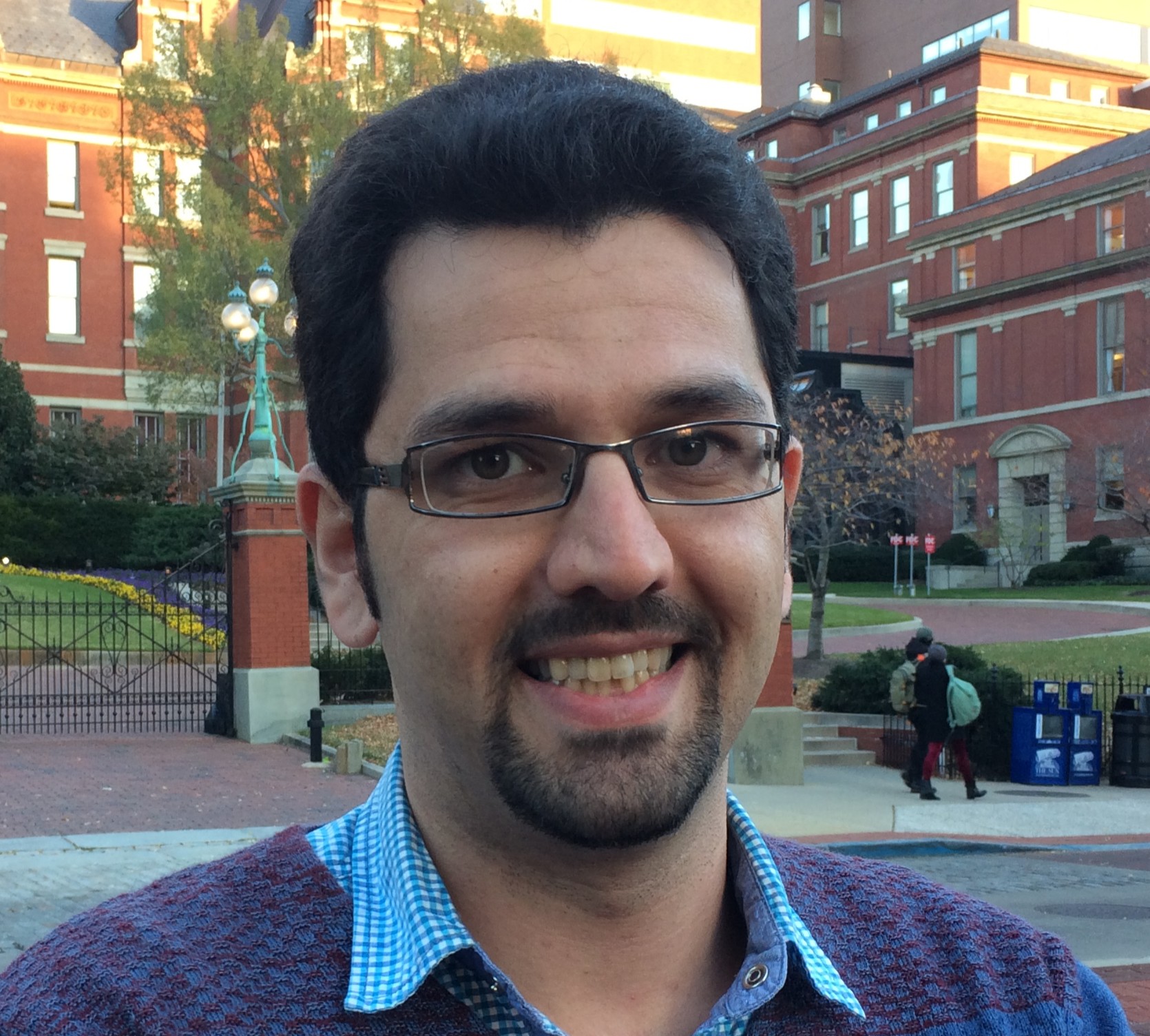
Ehsan joined the laboratory in 2015 as a graduate student in the BME PhD program after graduating with BS and MS degrees in Mechanical Engineering from Sharif University of Technology. Ehsan's research focuses on neural control of movements, with a particular focus on saccades and the role of the cerebellum. His research demonstrated that in humans, there was a link between reward prediction errors, which are thought to lead to production of dopamine, and modulation of movement vigor. He led our laboratory's efforts in behavioral training of marmosets and neurophysiological recording from the cerebellum. He discovered that during movements, P-cells synchronized their simple spikes to control the timing of deceleration. He also led the work to write an open-source, freely available spike sorter, P-sort, specifically designed for analysis of neurophysiological data from the cerebellum. His development of neurophysiological experimental methods and analysis software provided a foundation for much of the research in our laboratory. Upon graduation, he joined Neuralink.
Ideas developed by Ehsan
Selected publications
Sedaghat-Nejad E, Pi JS, Hage P, Fakharian MA, Shadmehr R. Synchronous spiking of cerebellar Purkinje cells during control of movements. Proceedings of the National Academy of Sciences. 2022;119(14):e2118954119.
Sedaghat-Nejad E, Shadmehr R. The cost of correcting for error during sensorimotor adaptation. Proceedings of the National Academy of Sciences. 2021;118(40):e2101717118.
Sedaghat-Nejad E, Fakharian MA, Pi J, Hage P, Kojima Y, Soetedjo R, Ohmae S, Medina JF, Shadmehr R. P-sort: an open-source software for cerebellar neurophysiology. Journal of Neurophysiology. 2021;126(4):1055–1075.
Sedaghat-Nejad E. Adaptive Control of Saccades. PhD dissertation, Johns Hopkins University. 2021.
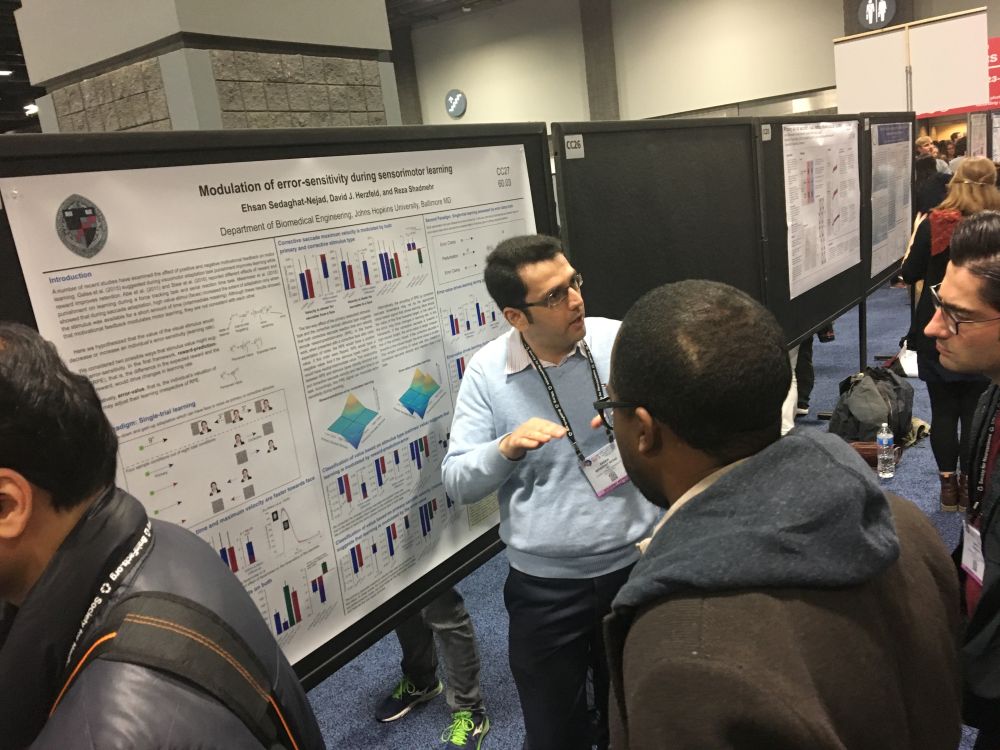
Sedaghat-Nejad E, Herzfeld DJ, Shadmehr R. Reward prediction error modulates saccade vigor. Journal of Neuroscience. 2019;39:5010–5017.
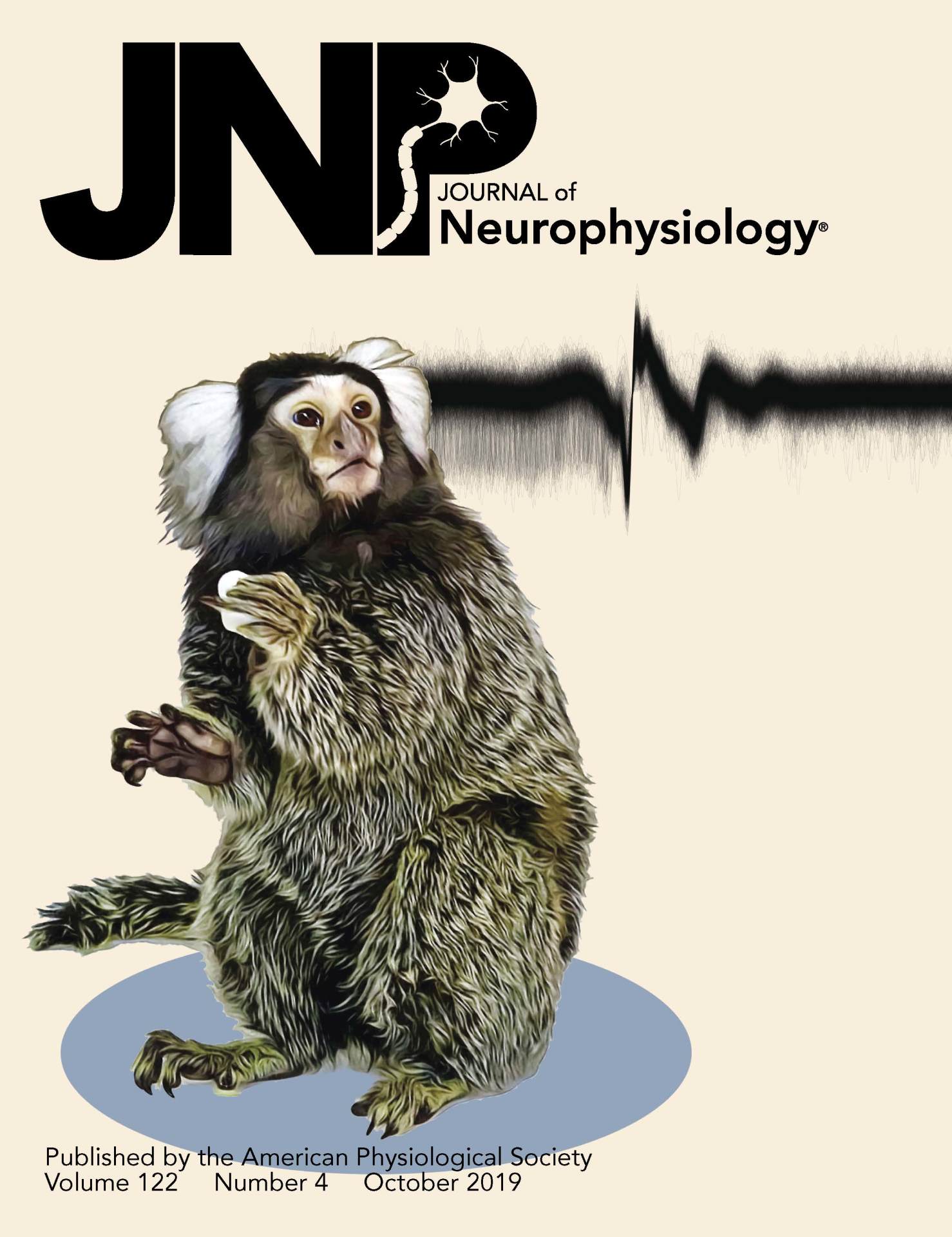
Sedaghat-Nejad E, Herzfeld DJ, Hage P, Karbasi K, Palin T, Wang X, Shadmehr R. Behavioral training of marmosets and electrophysiological recording from the cerebellum. Journal of Neurophysiology. 2019;122:1502–1517.
Reppert TR, Rigas I, Herzfeld DJ, Sedaghat-Nejad E, Komogortsev O, Shadmehr R. Movement vigor as a trait-like attribute of individuality. Journal of Neurophysiology. 2018.
Gallery