Research
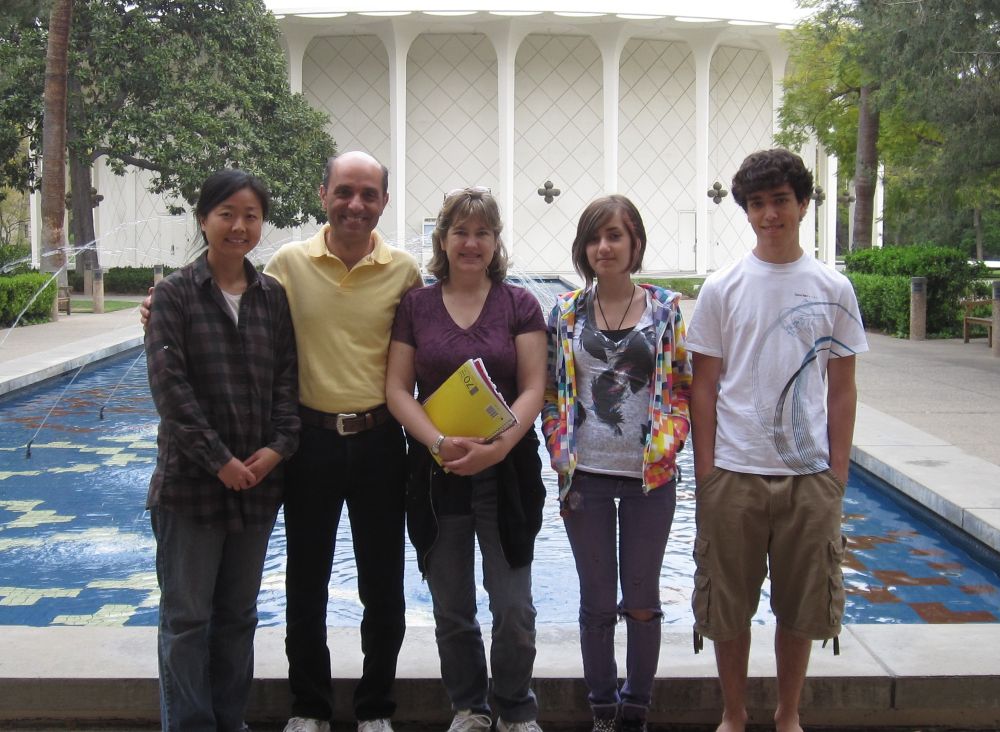
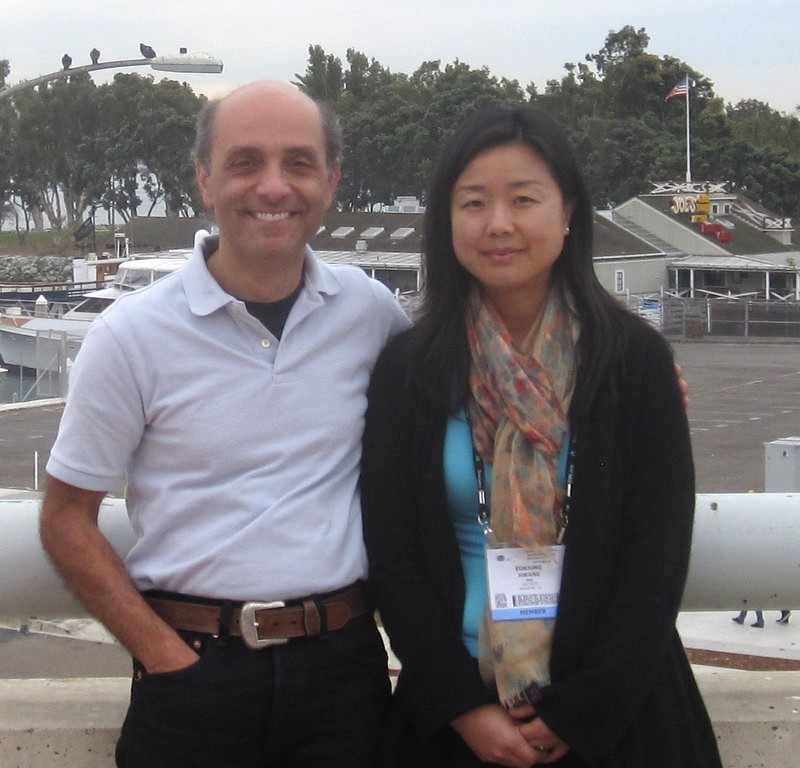
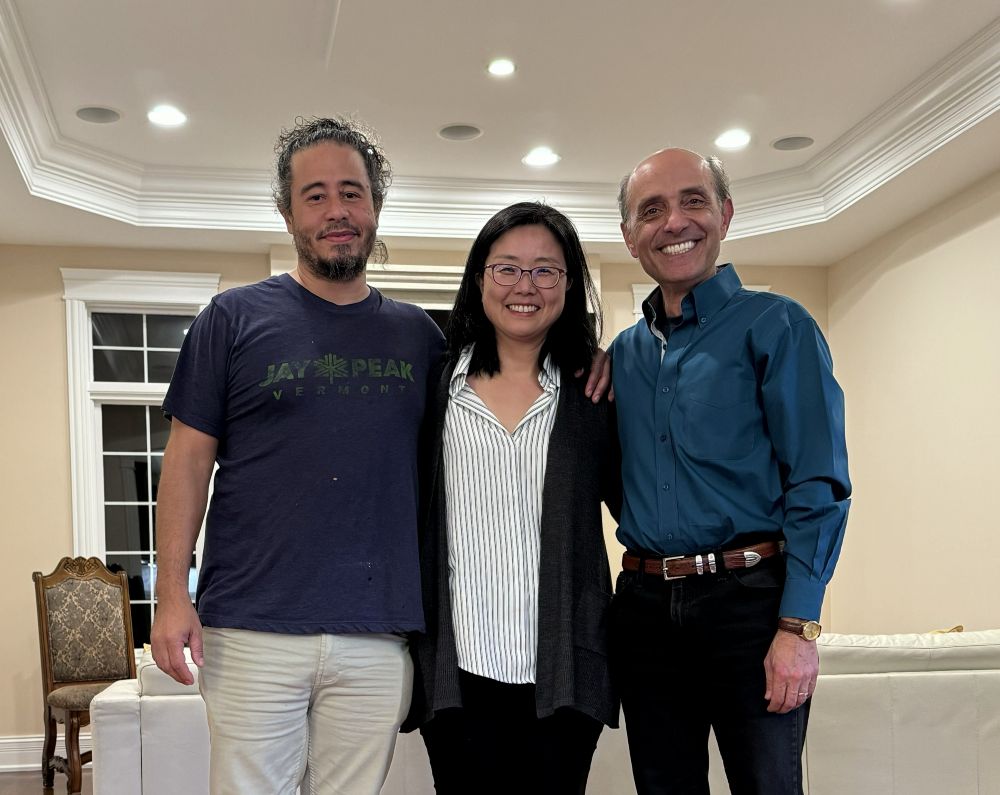
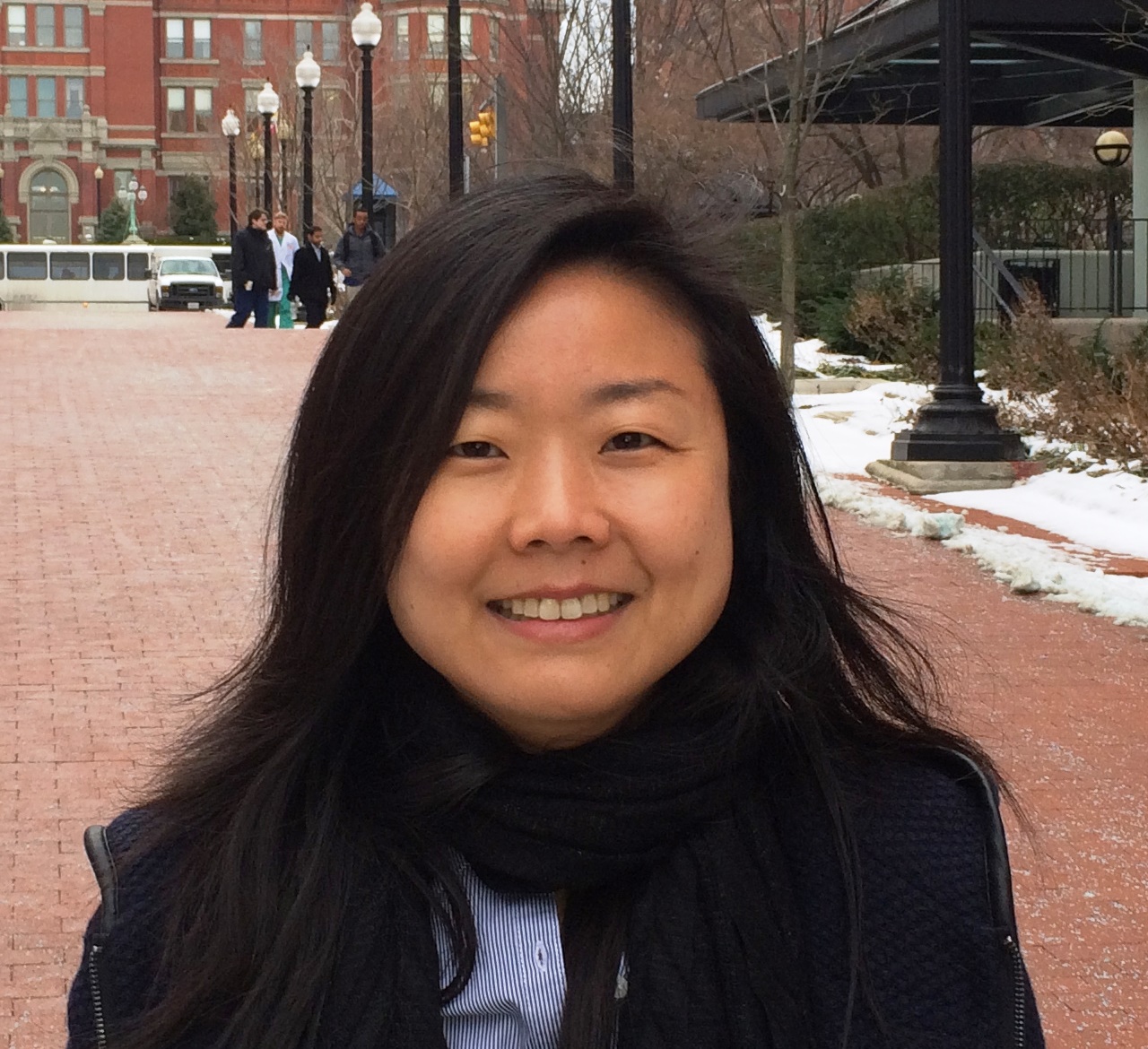
EunJung attended Seoul National University and graduated with a BS and MS in Electrical Engineering. She joined our laboratory in 1999 as a PhD student in the BME Program. EunJung discovered that the way the nervous system encodes proprioception explains much of the generalization properties that had been observed in learning of force fields and forming internal models. Using a model of muscle spindle neurons, she demonstrated that this type of coding accounted for a large body of data in human psychophysics. She also discovered that there were dissociable contributions from both the implicit memory system as well as the explicit memory system to the process underlying motor adaptation. Her work was the first to show distinct contributions from explicit and implicit memory systems in motor learning. She completed her PhD in Biomedical Engineering in 2004. She subsequently became a postdoc in the laboratory of Prof. Richard Andersen at Caltech, and then Project Scientist at University of California San Diego. She is now Asst. Prof. at Rosiland Franklin University of Medicine and Science.
Ideas developed by EunJung
Selected publications
Shadmehr R, Donchin O, Hwang EJ, Hemminger SE, Rao A. Learning dynamics of reaching. In: Motor Cortex in Voluntary Movements: A Distributed System for Distributed Functions, A Riehle and E Vaadia (eds). CRC Press. 2005; pp. 297–328.
Hwang EJ, Smith MA, Shadmehr R. Dissociable effects of the implicit and explicit memory systems on learning control of reaching. Experimental Brain Research. 2006;173:425–437.
Hwang EJ, Smith MA, Shadmehr R. Adaptation and generalization in acceleration dependent force fields. Experimental Brain Research. 2006;169:496–506.
Hwang EJ, Shadmehr R. Internal models of limb dynamics and encoding of limb state. Journal of Neural Engineering. 2005;2:S266–S278.
Hwang EJ, Donchin O, Smith MA, Shadmehr R. A gain-field encoding of limb position and velocity in the internal model of arm dynamics. PLoS Biology. 2003;1:209–220. Supplementary material · News & Views
Hwang EJ. Representation of proprioceptive information for generation of arm dynamics. PhD thesis, Johns Hopkins University. 2004.
Gallery