Reza Shadmehr
PhD
Professor of Biomedical Engineering and Neuroscience
Johns Hopkins School of Medicine
Research
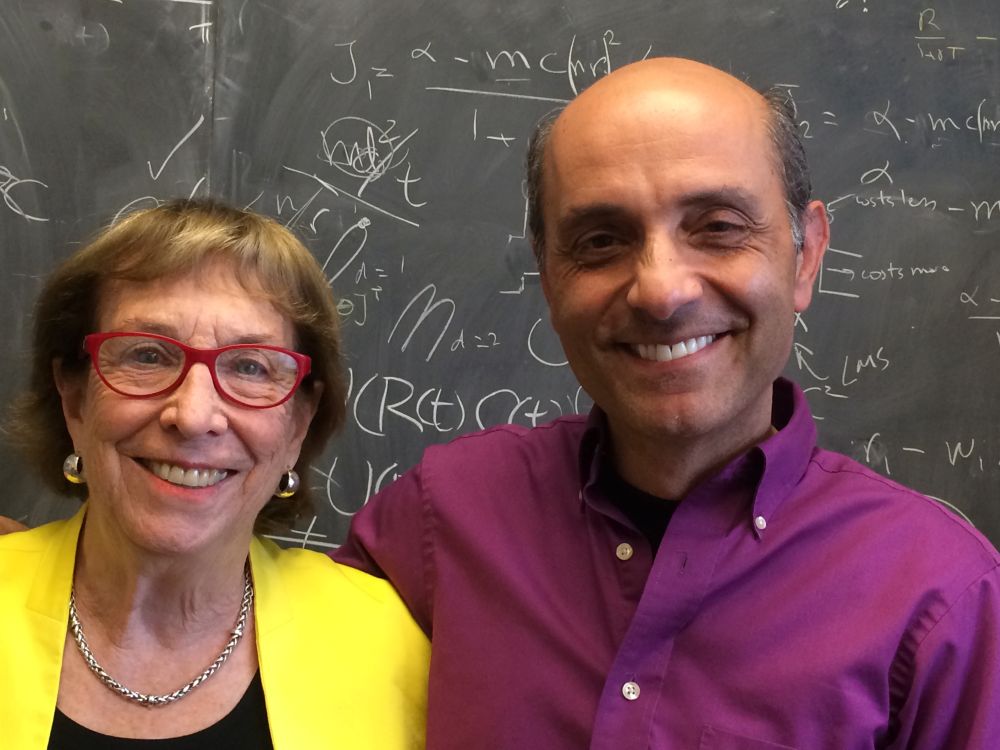
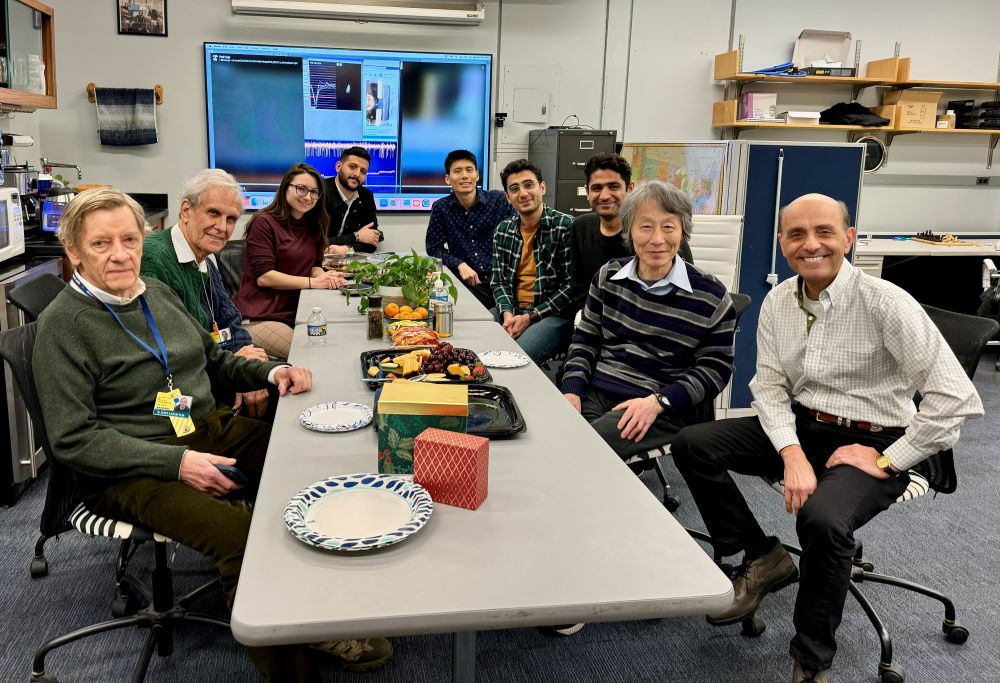
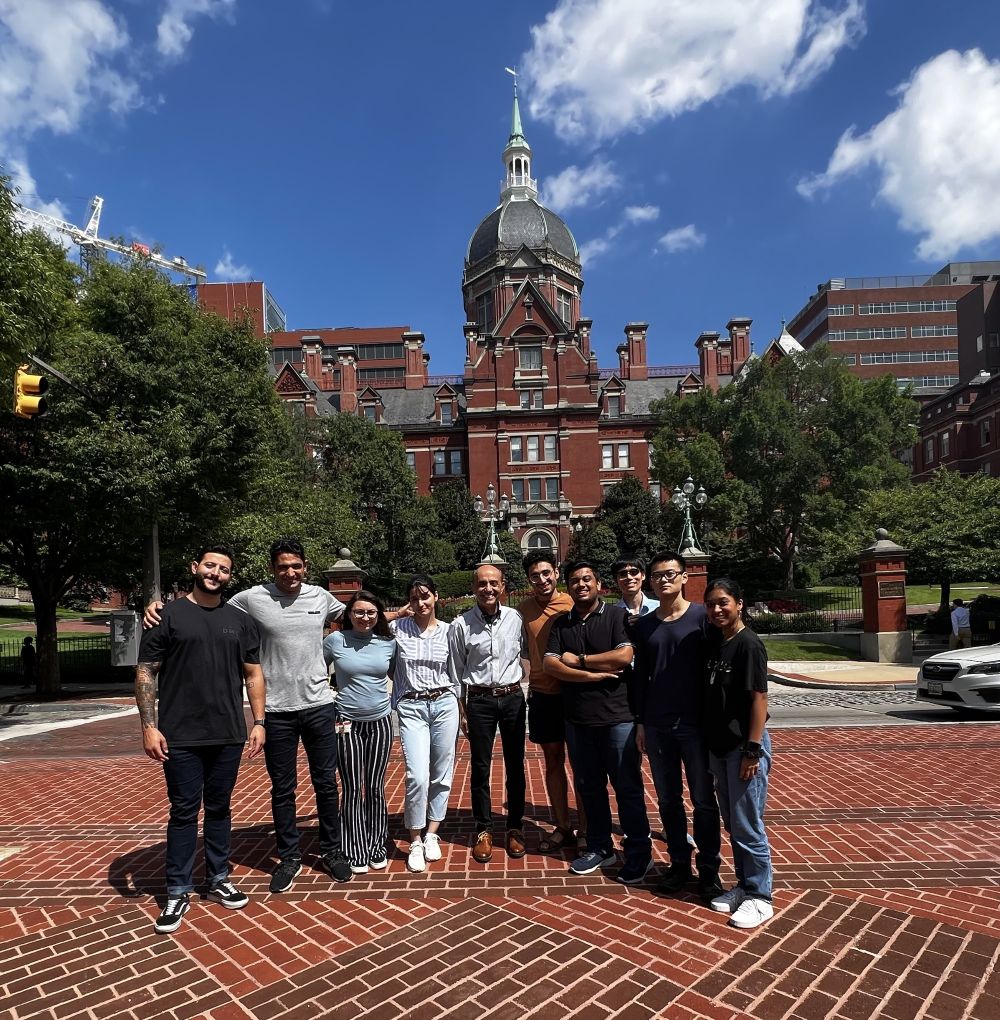
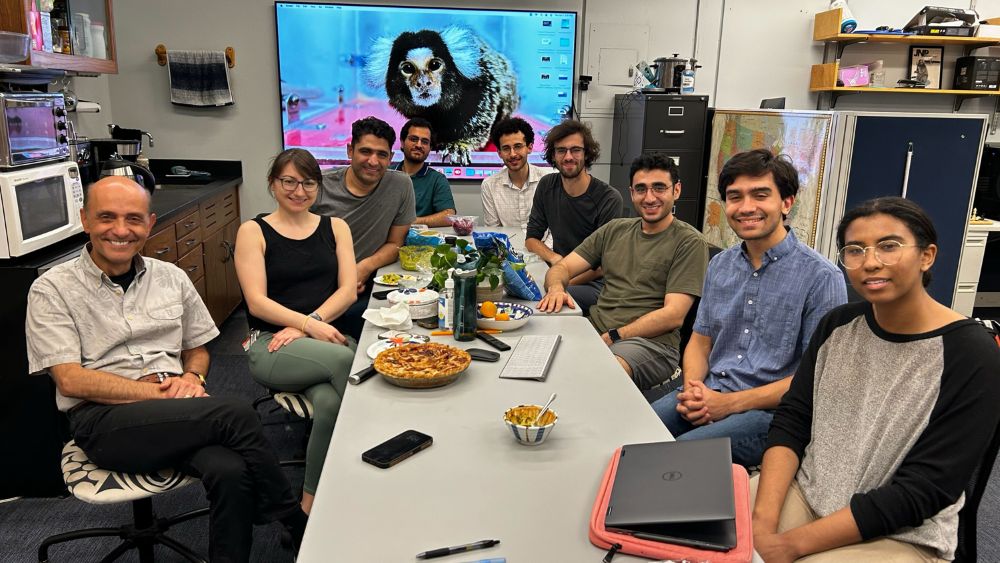
Reza Shadmehr was born in Tehran, Iran and immigrated to the United States at the age of 14. He attended Gonzaga University, then the University of Southern California (where he was mentored by Michael Arbib), and finally MIT (where he was mentored by Emilio Bizzi). His research has focused on understanding how the brain controls movements of our body. He has approached this problem by combining tools from mathematics and neurophysiology in humans and non-human primates. The first two decades of his research focused on human motor control. In 2019, with his students he built a new laboratory to study neural control of movements in non-human primates, focusing on marmosets. He has authored 3 text books on the topic of neural control of movements.
The research has produced the following discoveries:
- Internal models. The concept of internal models and the observation that the brain uses internal models to make predictions during control of movements. This discovery came through design of the force field adaptation paradigm in humans, which was subsequently adopted by investigators who studied non-human primates and rodents.
- Vigor. The concept of vigor and the observation that the value that the brain assigns to a stimulus invigorates the movement that is generated toward that stimulus. This discovery linked the decision-making system of the brain to the movement control system.
- Population coding in the cerebellum. The concept of population coding among neurons of the cerebellum and the observation that one can estimate the function that is being computed by Purkinje cells by organizing them based on their potent vector.
Books
Reza Shadmehr and Stephen Wise The Computational Neurobiology of Reaching and Pointing: a foundation for motor learning. MIT Press, 2004.
Reza Shadmehr and Sandro Mussa-Ivaldi Biological Learning and Control: how the brain builds representations, predicts events, and makes decisions. MIT Press, 2012.
Reza Shadmehr and Alaa Ahmed Vigor: neuroeconomics of movement control. MIT Press, 2020.
Podcasts and presentations
Essays
Essays on people, brains, and mathematics: Curious neuroscientist
Mentoring and training of students
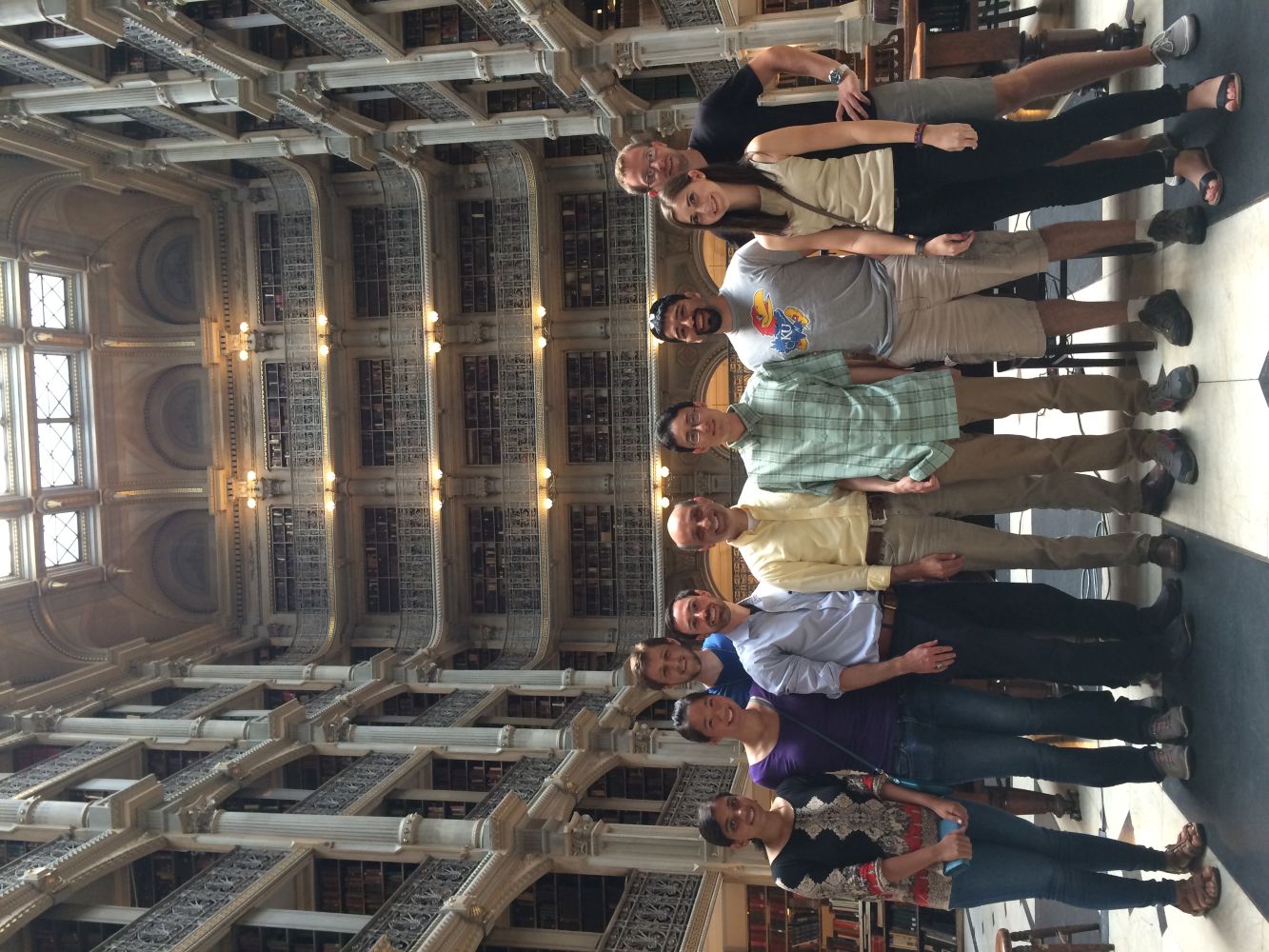
I consider it my calling to serve as a mentor to and an advocate for students and young faculty. I served as the Director of the PhD Program in Biomedical Engineering at Johns Hopkins for 11 years. To help train graduate students, I have authored 3 books on the topic of computational motor control. I train my students to believe that the results that they produce are like leaves that we are adding to the tree of knowledge: for the leaf to remain, the results must be true and remain so for eternity. Thus, I train them to be rigorous in their experimental design and unbiased in their analysis and interpretation.
My role as a mentor is larger than just for my own students. I teach at summer programs that train students from around the world. For 20 years I have served as faculty for the Methods in Computational Neuroscience course at Woods Hole. This program brings together roughly 40 students to teach them the latest computational methods in neuroscience. I served as faculty for NeuroMatch Academy, an online course that enrolled 13,000 students from 137 countries, teaching them about computational neuroscience. I served as faculty for NeuroBridges, a school that brings together students from Israel, Iran, and other Middle Eastern countries to teach them about the brain, and also about each other.
Gallery