Research
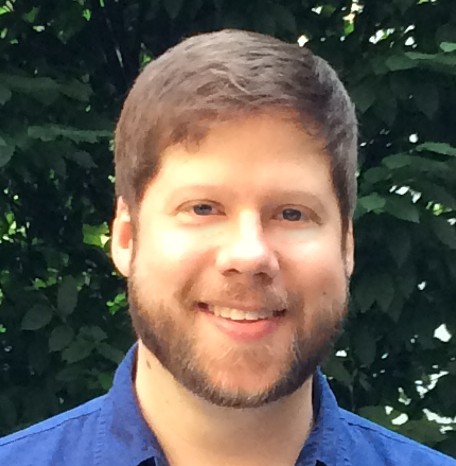
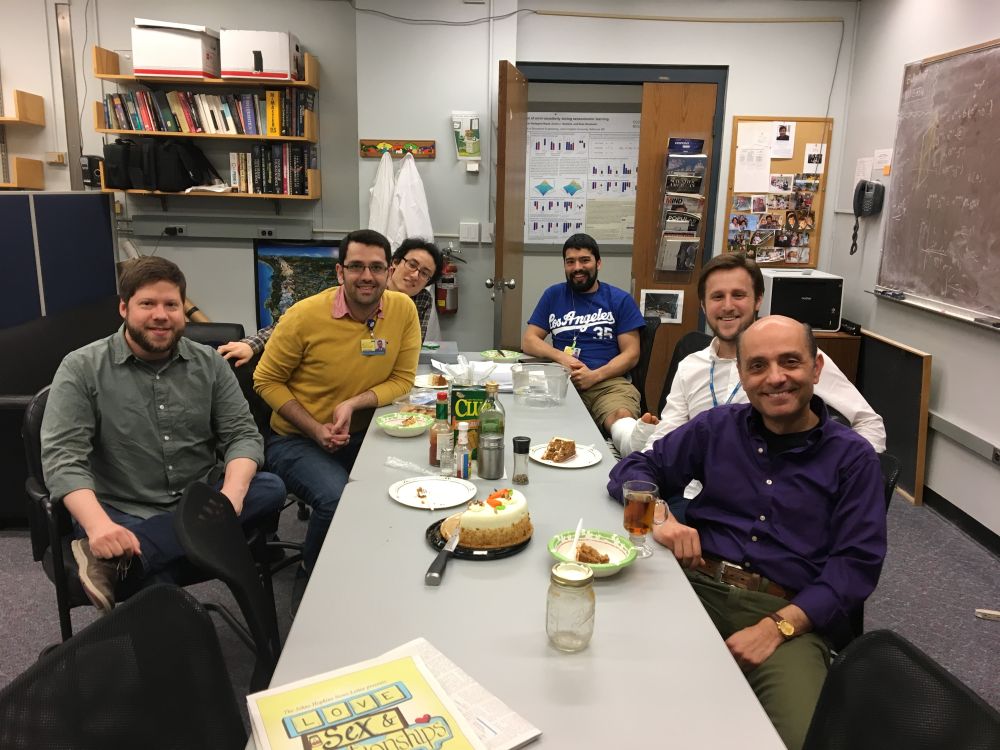
Rob joined the lab in 2017 as a BME MS student, after studying Electrical Engineering at MIT and Boston University.
Following graduation from college, he worked in the fields of missile defense, medical research, and translational
neuroscience. He is an Eagle Scout, and a jazz musician. Rob's research in our lab focused on the effects of reward
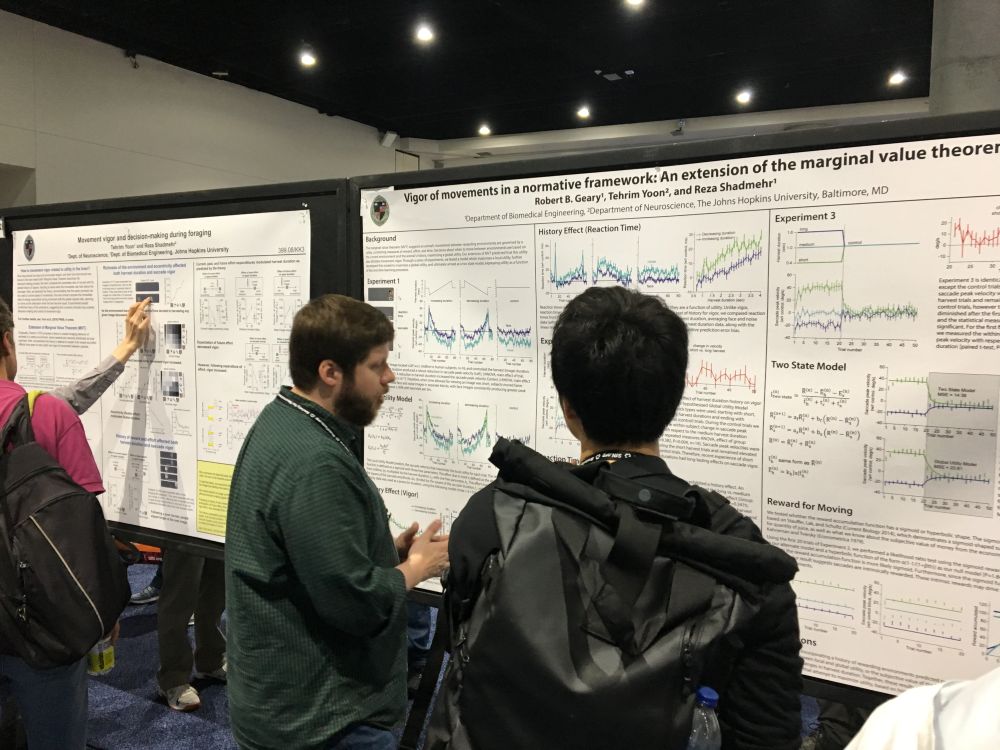
and effort on the utility of eye movements. He demonstrated that as the rate of reward increased, movement vigor also
increased, while reaction-time decreased. This result suggests that during gazing, information is harvested by the brain,
raising as a function that is concave downward.
Rob completed his research in summer of 2018, and subsequently joined the PhD program at Harvard University.
Ideas developed by Rob
Linking decision-making and movement vigor
through a common principle of optimal control.
Robert contributed to research showing that decisions
about how long to remain at a rewarding location and
how quickly to move to the next location may be governed
by a shared computational principle. By extending
optimal foraging theory to include the energetic costs
of movement, this work provided a unified framework
for understanding both decisions and motor control.
Demonstrating that movement vigor depends
on the history and expectation of reward.
Robert helped design and conduct experiments in which
people viewed rewarding images and made eye movements
between them. The experiments showed that the history
of reward and expectations of future reward influenced
both gaze duration and saccade speed. These findings
suggested that the nervous system adjusts movement
vigor according to the overall richness of the
environment, rather than simply the immediate
demands of the movement.
Investigating how effort shapes decisions
and movement speed.
Robert contributed to experiments examining how the
effort required to acquire reward influences behavior.
The results showed that effort affected both the time
spent harvesting information and the speed of subsequent
eye movements. Although many findings agreed with
optimal foraging theory, the observation that people
increased movement vigor after experiencing high
effort revealed an important limitation of the model.